NALA Journal
What is Shilajit?
Shilajit is a herbomineral phytocomplex that contains humus, organic plant materials, and fulvic acid as the main carrier molecules. It is considered a herbomineral because of its composition and use in Ayurvedic remedies. Shilajit is considered a phytocomplex due to its synergistic combination of multiple plants and organisms that enhance each other's effectiveness. It forms over hundreds of years of work by microorganisms slowly decomposing specific species of plants. Pure shilajit often has a sticky, tar-like, thick liquid texture, but can also be a blackish-brown powder.
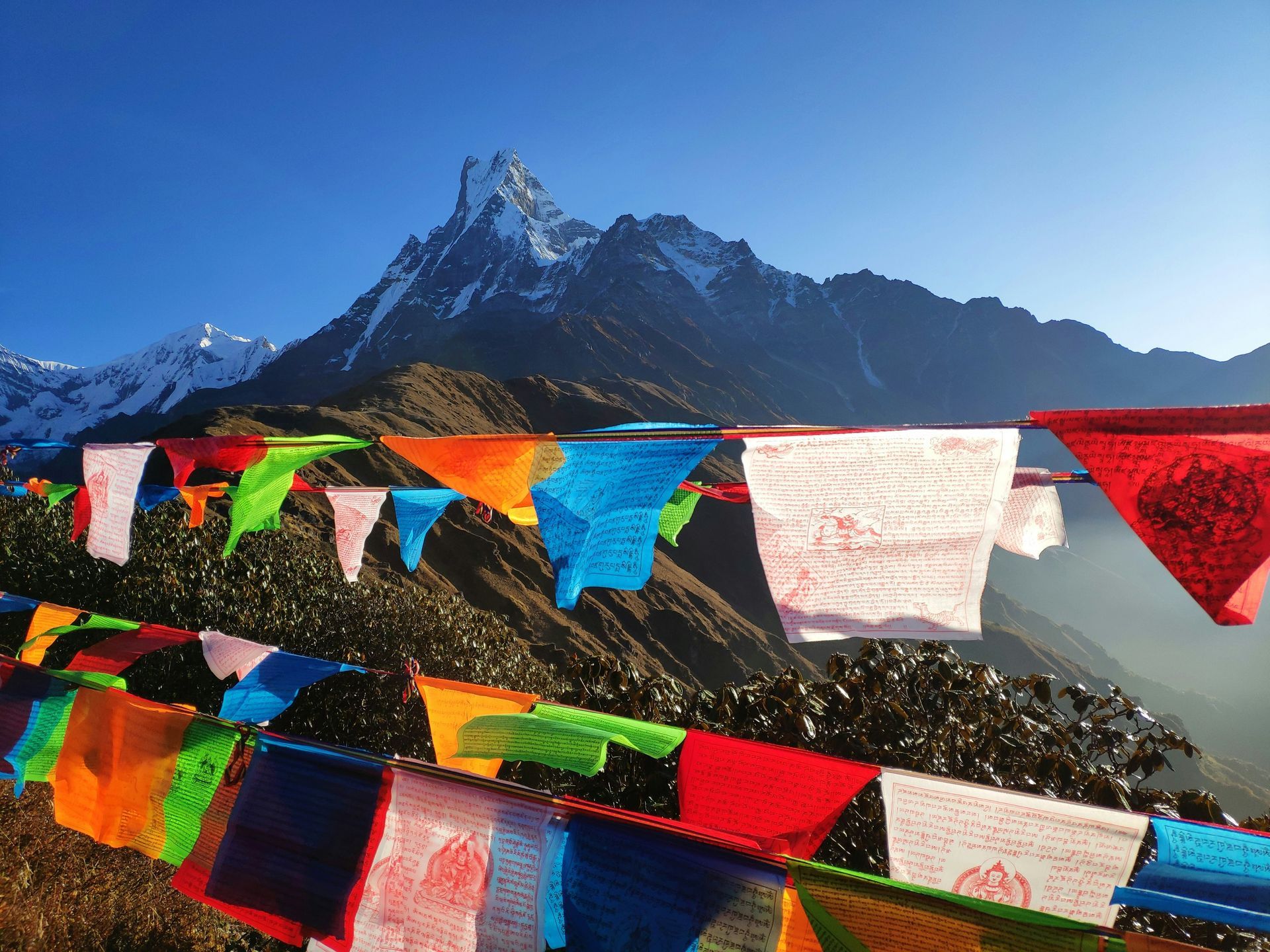
Shilajit’s Origins & Use
Shilajit is a familiar component of Ayurvedic medicine, known for its characteristics as a rasayana. Hence, associating shilajit with a variety of health benefits, including increased longevity, rejuvenation, and the slowing of aging. Shilajit has many names; in northern India, folks refer to it as salajit, shilajatu, mimie, or mummiyo. While it is primarily wild-harvested in the Himalayas between India and Nepal, it has been found in Russia, Tibet, Afghanistan, and in the Andes mountains of Chile.
People in Nepal and northern India traditionally take shilajit in their milk with breakfast. It is also a part of the diet of many Sherpas, who attribute its use to their population of strong men with good health and longevity.
How is Shilajit formed?
The exact production of shilajit is still unknown.
However, researchers hypothesize that Shilajit forms by the slow decomposition of plant material from species like Euphorbia royleana and Trifolium repens. Other studies have found many other plants and organisms with the potential to generate shilajit. These include molds like Barbula, Fissidens, Minimum, and Thuidium, Asterella, Dumortiera, Marchantia, Pellia, Plagiochama, and Stephenrenchella-Anthoceros.
What does Shilajit do for the body?
Within Ayurvedic medicine, shilajit is considered to increase physical strength and promote human health. The kind of health benefits cited seems to differ depending on the region and where the shilajit was extracted.
Shilajit is rich in fulvic acid, which acts as a carrier molecule that transports beneficial minerals directly into cells. Thus, maintaining or restoring the electrical potency of those cells, staving off decay or cellular death.
Common use cases for Shilajit include:
- Fight off hypoxia and muscle degradation
- Relieve high-altitude cerebral edema and dementia
- Treat gastrointestinal issues and dehydration
- Protection from radiation
- Stimulate the immune system and metabolism
- Promote energy production in the body
- Detoxification
- Stimulate blood formation
Are there risks to using Shilajit?
Purity and verified test results are essential when shopping for Shilajit. Recent studies have found that shilajit, among several other ayurvedic products commercialized on the internet, contains heavy metals including lead, mercury, and arsenic.

Conclusion
Ask your physician about integrating shilajit into your wellness routine. Visit NALA Health + Recovery to find lab-tested Shilajit products that best support your wellness goals. It is always best to dose low and slow when trying something new.
Source Citations
Agarwal SP, Khanna R, Karmarkar R, Anwer MK, Khar RK. Shilajit: a review. Phytotherapy Research. 2007;21(5):401–405. doi: 10.1002/ptr.2100. [DOI] [PubMed] [Google Scholar]
Carrasco-Gallardo, C., Guzmán, L., & Maccioni, R. B. (2012). Shilajit: A Natural Phytocomplex with Potential Procognitive Activity.
International Journal of Alzheimer's Disease,
2012, 674142. https://doi.org/10.1155/2012/674142
Ghosal S. Chemistry of shilajit, an immunomodulatory Ayurvedic rasayan. Pure and Applied Chemistry. 1990;62(7):1285–1288. [Google Scholar]
Meena H, Pandey HK, Arya MC, Ahmed Z. Shilajit: A panacea for high-altitude problems. Int J Ayurveda Res. 2010 Jan;1(1):37-40. doi: 10.4103/0974-7788.59942. PMID: 20532096; PMCID: PMC2876922.
N. Chopra R, C. Chopra I, L. Handa K, D. Kapoor K. In Indigenous Drugs of India. Calcutta, India: U.N. Dhar & Sons; 1958. [Google Scholar]
NALA Journal